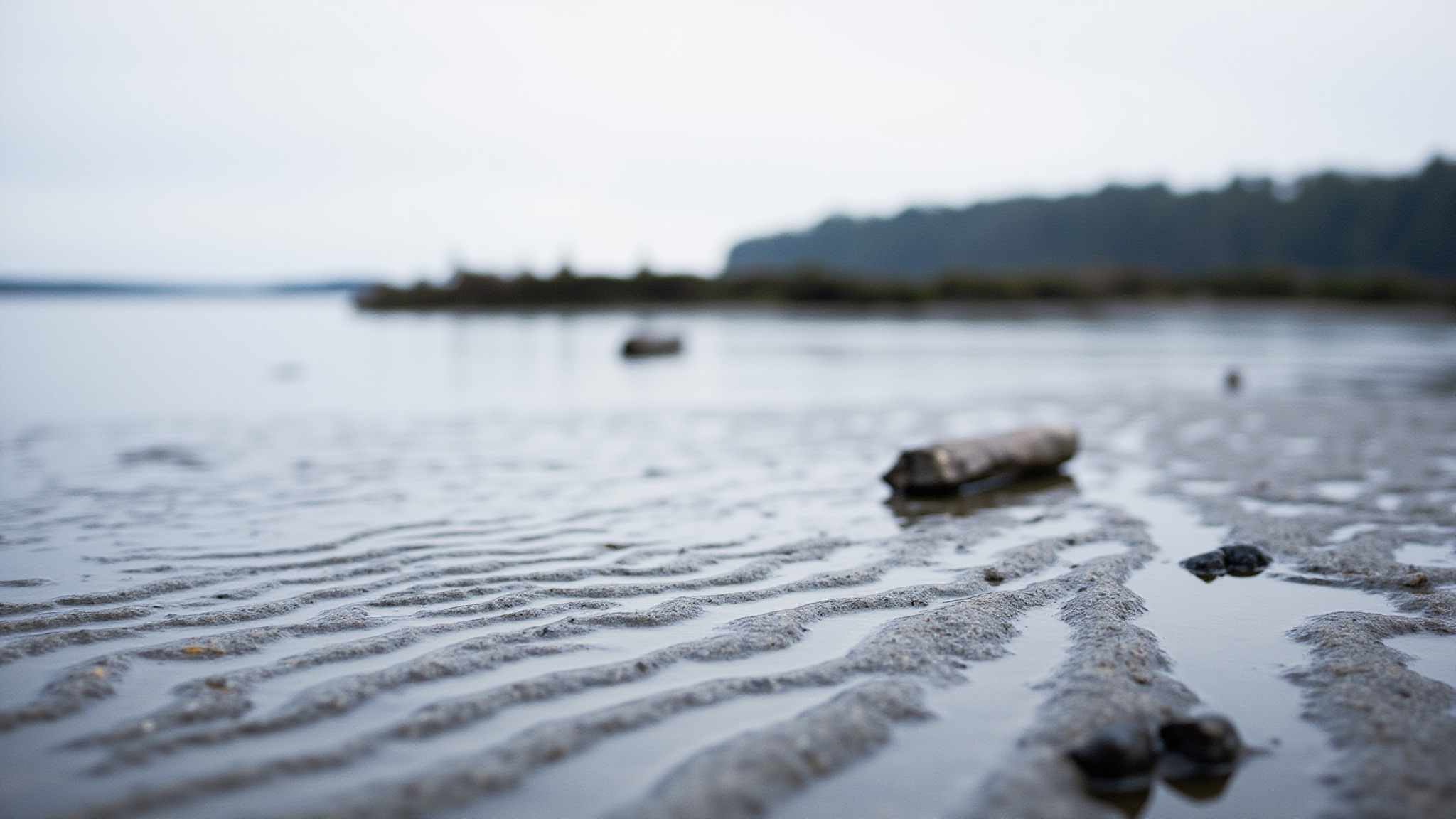
We have spent a lot of slow afternoons on this stretch of Semiahmoo Bay, and the thing we tell every friend who is coming for the first time is that White Rock Beach changes its whole character with the tide, so a little planning goes a long way. At low tide the water pulls back across wide, flat sand and you can wander out toward the horizon for what feels like forever, and a few hours later that same sand is gentle shallow water you can wade into up to your knees, and knowing which one you are walking into makes the difference between a good day and a perfect one.
This is our practical, local guide to the three things that actually shape a beach day here, and those are the tides, the parking, and the spots we keep coming back to. We have kept it to real, checkable details and pointed you to the official sources for tide times and parking rates, because those are the two things people most often get caught out by, and once you have them sorted the rest of the day mostly takes care of itself.

Reading the Tides Before You Go
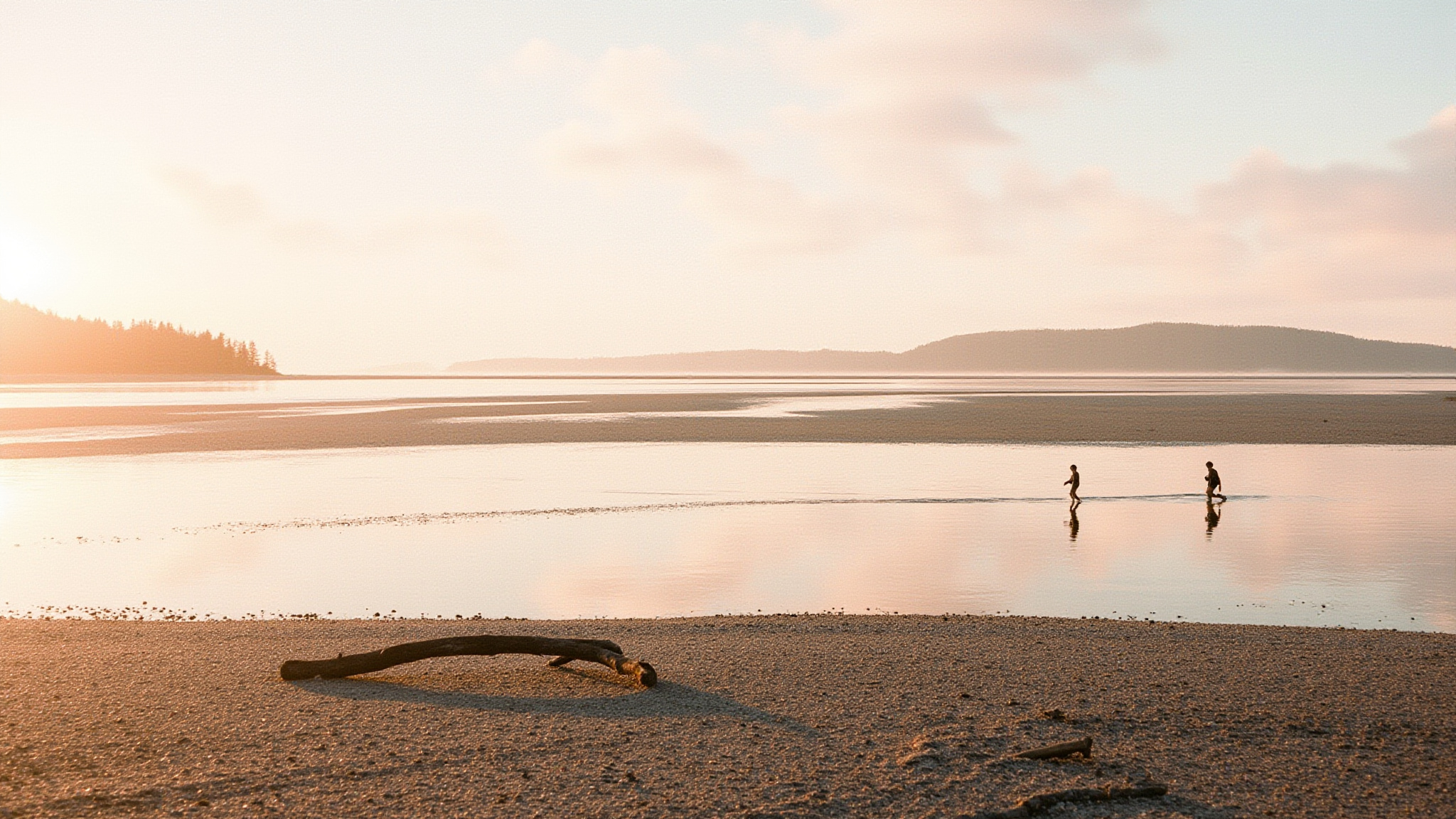
The first thing to understand is that White Rock sits on Semiahmoo Bay, a broad, shallow, semi-protected bay right on the British Columbia and Washington border, and because the bottom is so gently sloping a fairly ordinary vertical change in the water uncovers an enormous horizontal stretch of beach. The tidal range here is large, and when the tide is out the sea retreats a long way and exposes wide flats of sand, and the swings are mixed, so you generally get two highs and two lows each day with one noticeably higher and one noticeably lower than the other. The day to day size varies too, and the biggest sand exposure and the highest highs come on the spring tide days that recur about every two weeks.
For tide times we always go to the official source, which is Fisheries and Oceans Canada, and the local station you want is the White Rock tide station 07577. It gives the predicted heights and times of high and low water, and the government notes that the printed Canadian Tide and Current Tables prevail if there is ever a small disparity. Explore White Rock also keeps a White Rock Tides link on its current conditions page if you would rather a friendlier front end, and that ultimately reflects the same prediction data.
What the numbers translate to on the sand is simple once you have seen it. At low tide the water recedes far enough to reveal vast flat sand and tidal pools, and off East Beach in particular it can feel like you are walking most of the way to the United States border, so that is the time for beachcombing, skimboarding across the pools, digging for clams, and building sandcastles. High tide is when the warm, protected water of the bay gives you a safe place to be in the water, though the sea stays cool here even in summer, so that is the time for paddling, swimming, and floating a kayak or paddleboard.
Parking Along Marine Drive and the Beach Lots
Parking is the other thing worth sorting before you arrive, because the waterfront fills quickly on a warm weekend. The waterfront lots, the on-street spaces along Marine Drive, and the West Beach Parkade all run on paid parking, and at the beach itself you will find the lots east and west of the pier along with the parkade. White Rock uses a pay by space system, so there is no ticket on the dashboard, and the solar powered dispensers take cash or credit while you can also pay or top up remotely through PayByPhone using the space number posted where you have parked.
A couple of practical rules save people grief. Waterfront pay parking is in effect from 10 a.m. to midnight, and stalls east of Oxford Street are capped at a four hour maximum, with the parkade being the exception, so if you want to settle in for a long all-day visit the West Beach Parkade is your friend. Rates are seasonal and noticeably higher in summer than in winter, and because the City adjusts them periodically we will not quote exact figures here, so always confirm the current numbers on the official City of White Rock Public Pay Parking page before you go.
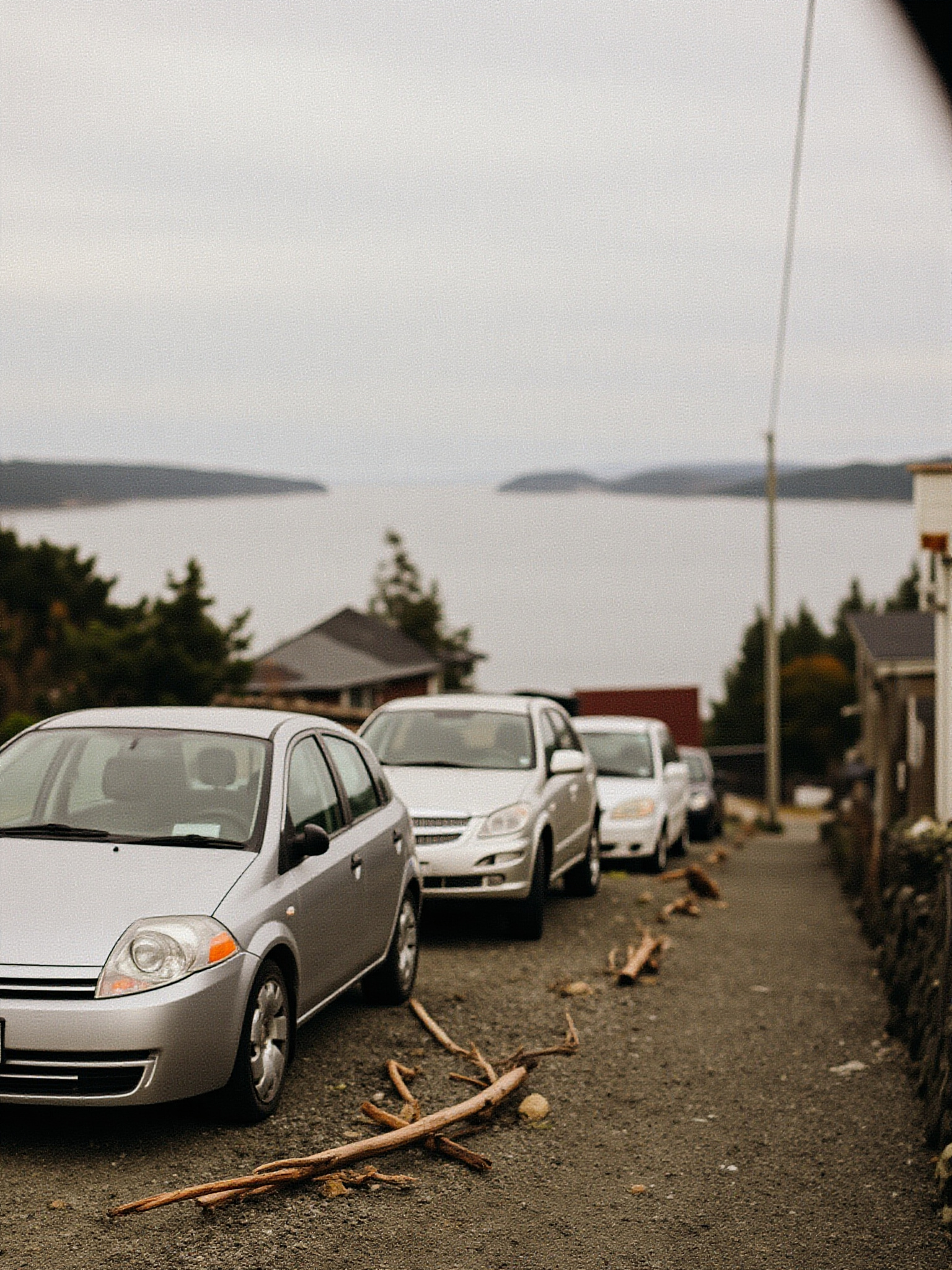
On busy summer weekends, and especially during the Sea Festival on the August long weekend, the closest spots go early and getting in and out gets slow, so we like to arrive early, carpool when we can, or take a TransLink bus down to Marine Drive. One thing to keep in mind is that the waterfront sits well below the uptown district, so parking up top and walking down is a steep descent and an even steeper climb back, which is fine on the way in and less fun carrying a tired toddler on the way out.
Our Favourite Spots Along the Beach

The visual centrepiece is the pier, a walkway roughly 470 metres long that runs out over the flats from West Beach, and it is the easiest way to judge the tide and to frame a photo, because at low tide you can walk right under it and out across the sand while at high tide the water reaches up around the pilings. We have written more about its history and how to make the most of it in our guide to the White Rock Pier, and it is worth the read before a first visit. From the pier the promenade runs level and paved for about two and a half kilometres in both directions, which makes it easy walking for strollers and wheelchairs and gives you the bay from a dozen different angles.
West Beach, around the foot of the pier, has the prettiest low tide and the gentlest shoreline, and the far western end is where we send people who want to see the colourful starfish clinging to the rocks at the right tide. East Beach is the flatter, quieter, more wide-open stretch, and it is where the sand really seems to go on forever when the water is out, so it is our pick for a long contemplative walk away from the crowd. Both ends reward an early start, when the light is soft and the promenade is mostly joggers and dog walkers.
For food and a cold treat the gelato counters along the waterfront have kept us coming back, and we have happily worked our way through them more than once, from the homemade flavours at Ocean Rock Cafe to the rolled gelato at Thai Affair and the small-batch scoops at Crazy Cows. Washrooms are spaced along the promenade, the food runs from quick beach bites to a proper sit-down meal, and the whole strip is close enough to the sand that you never feel far from the water.
White Rock Beach Basics at a Glance
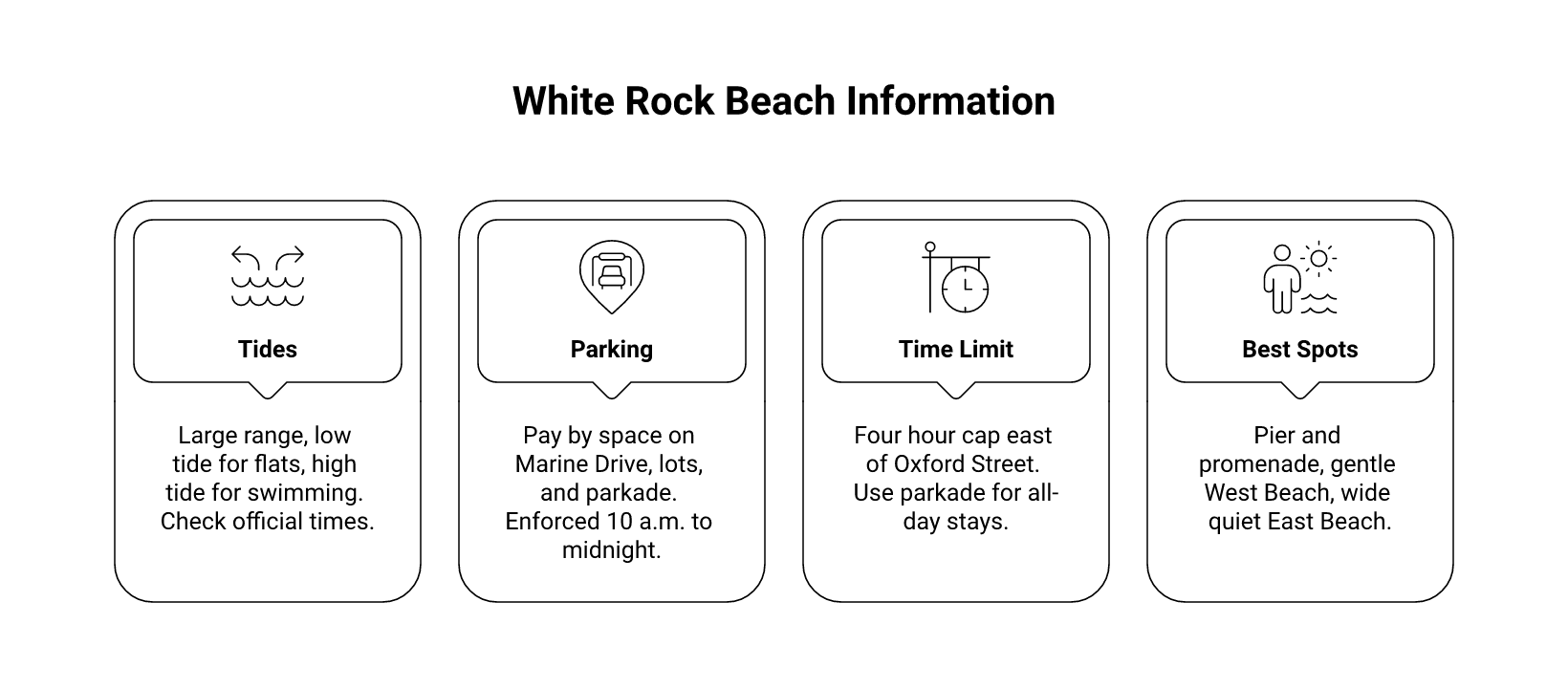
If you only remember a few things, remember these. Check the tide first, because low tide is for flats walking, tide pools, and skimboarding while high tide is for swimming and paddling in the protected shallow water, and the official times live at Fisheries and Oceans Canada station 07577. Aim your visit at the tide you actually want rather than just the time of day, since the same beach looks completely different a few hours apart.
For parking, plan on the pay by space system along Marine Drive and in the lots and West Beach Parkade, enforced from 10 a.m. to midnight, with a four hour cap east of Oxford Street and the parkade as the option for all-day stays. Bring a card or set up PayByPhone, expect seasonal rates that are higher in summer, and confirm the current figures on the city site before you go. On peak weekends, arrive early or take the bus down to the waterfront.
For the best spots, the pier and the promenade anchor everything, West Beach is the gentle pretty end with the starfish rocks to the far west, and East Beach is the wide quiet stretch for long walks. Washrooms sit along the promenade, gelato and food are steps from the sand, and the whole level walkway makes it easy to roam from one end to the other and back.
Safety on the Flats
The same gentle slope that makes the low tide so spectacular is also the reason to pay attention, because when the tide turns it spreads back across that wide flat distance and can quietly outflank anyone who has wandered a long way out. We always check the tide schedule before walking far, time the walk to the predicted low rather than assuming the water will stay out, and keep half an eye on the turning tide once we are out there.
A couple of small habits help. Wear footwear you do not mind getting wet, because there are barnacle-covered rocks at the western end and soft, muddy patches here and there, and keep track of where your entry point is so the return walk is straightforward. With those simple precautions the flats are a wonderful place to spend a couple of hours, and the wide open space is part of what makes White Rock feel so different from a typical pocket beach.
A Few Local Tips
Time your visit around the tide you want rather than just a convenient hour, and if you are coming for the dramatic far-out sand, look for the bigger spring tide days that come around roughly every two weeks. If you are coming to swim, aim for a warm summer afternoon near high tide, when the protected shallow water gives you a safe place to wade and paddle as the incoming tide sweeps gently over the sand.
White Rock is one of our favourite places to watch the sky change, and the promenade lets you shift along the bay and catch the pier from several angles in a single evening, with the gold and pink light over the water making the waterfront especially worth lingering for at sunset. If you want to plan a shoot, our notes on sunset photography locations in White Rock go into the specific vantage points.
Finally, build in a little patience for the waterfront on a hot weekend, because everyone has the same idea and the closest parking and easiest access fill first. Arrive early, bring water and proper footwear, set up PayByPhone before you leave home so you are not fumbling at the dispenser, and you will spend your time on the sand instead of circling for a spot.
Questions Often Asked
How do I check the tide times for White Rock Beach?
The official source is Fisheries and Oceans Canada, and the station you want is White Rock number 07577, which publishes the predicted times and heights of high and low water. We check it before any beach day, and if you prefer a simpler front end, Explore White Rock keeps a White Rock Tides link on its current conditions page that reflects the same prediction data. Remember that the printed Canadian Tide and Current Tables prevail if there is ever a small difference.
When is the best time to visit, low tide or high tide?
It depends on what you want from the day. Low tide exposes the wide flat sand and tidal pools, so it is the time for beachcombing, skimboarding, sandcastles, and long flat walks, and East Beach in particular seems to stretch on forever. High tide is when the warm, protected bay water gives you a safe place to swim and paddle, though the sea stays cool here even in summer, so it is the time for paddling, swimming, and floating a kayak or paddleboard. We plan our visit around the tide we actually want rather than just the time of day.
How does parking work at the White Rock waterfront?
It is a pay by space system covering the lots and on-street spaces along Marine Drive plus the West Beach Parkade, and there is no ticket for the dashboard. The solar powered dispensers take cash or credit, and you can also pay or top up through PayByPhone using the space number posted where you parked. Pay parking is enforced from 10 a.m. to midnight, stalls east of Oxford Street are capped at four hours, and the parkade is the option for all-day stays. Rates are seasonal, so confirm the current figures on the City of White Rock site before you go.
Is White Rock Beach safe for walking out on the sand flats?
Yes, with a little planning. Because the flats are so wide and nearly level, the water returns across a large distance when the tide turns and can outflank anyone who has wandered far out, so always check the tide schedule first, time your walk to the predicted low, and keep an eye on the turning tide rather than assuming it will stay out. Wear footwear you do not mind getting wet for the barnacle-covered rocks and soft muddy patches, and note where you started so the walk back is easy.